


Gas Generator Sets vs Diesel Units for Lower Fuel and Emission Costs
Gas Generator Sets vs Diesel Units for Lower Fuel and Emission Costs
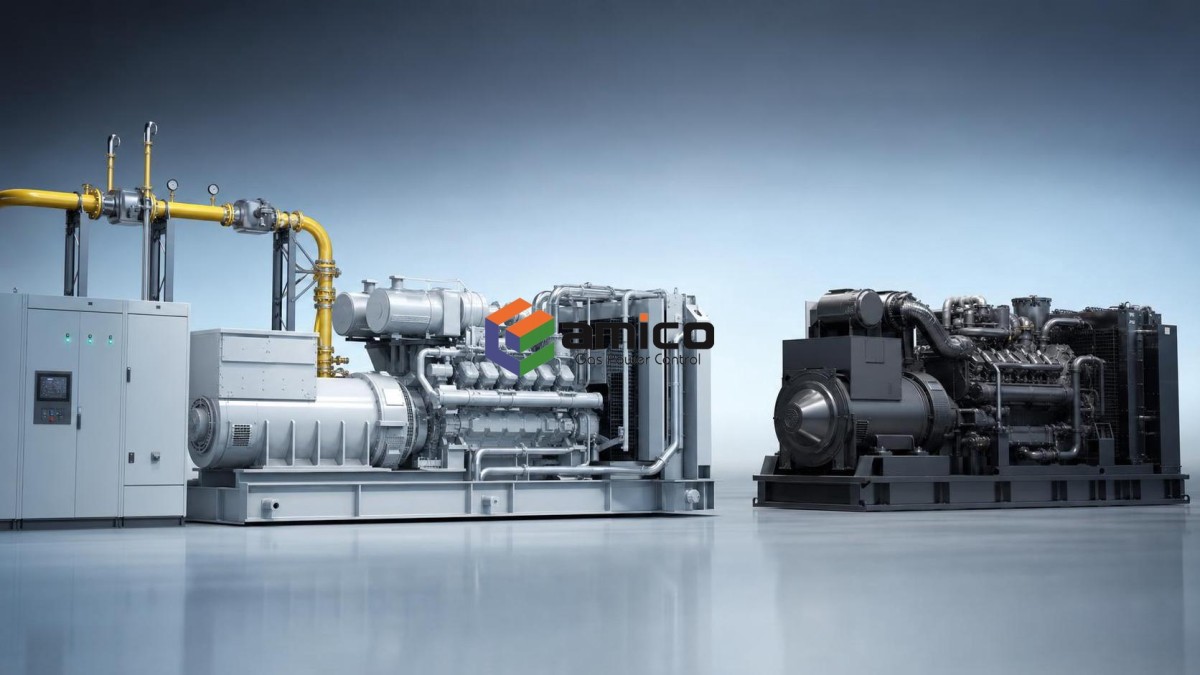
For business evaluators comparing power solutions, Gas Generator Sets offer a practical path to lower fuel spending and reduced emission costs versus traditional diesel units. With advances in gas power control, smart energy management, and reliable engineering support, companies can assess not only operational savings but also long-term sustainability and compliance benefits before making an investment decision.
If you are reviewing a power package on cost alone, diesel can still look simple on paper. The problem is that purchase price is rarely where the decision goes wrong. In real projects, the expensive mistakes usually come from fuel assumptions, emissions handling, maintenance planning, and a poor match between the unit and the actual load profile. That is where Gas Generator Sets deserve a closer look.
Start with the fuel reality, not the engine brochure
For procurement teams, the first checkpoint is simple: what fuel will your site actually have, every day, under operating conditions that matter? If natural gas supply is stable, priced competitively, and already available through pipeline or on-site gas treatment, gas-fired generation often moves ahead quickly in total operating cost. If gas quality is inconsistent, seasonal pressure drops are common, or the site depends on uncertain third-party gas logistics, the savings case weakens fast.
Do not accept a fuel cost comparison built only on headline unit price. Ask for these checks:
- Actual delivered fuel cost at site, not market average.
- Expected gas composition and whether pretreatment is required.
- Minimum pressure and pressure fluctuation range.
- Backup fuel plan if gas supply is interrupted.
- Load factor assumptions used in the supplier's cost model.
A cost sheet that ignores site fuel conditions is not a decision tool. It is marketing.
Check emissions cost the same way you check fuel cost
This is where diesel often becomes more expensive than expected. In many projects, the direct fuel burn is only part of the picture. You also need to price in what it takes to stay compliant with local rules on NOx, particulate matter, noise, and sometimes carbon-related reporting or internal ESG thresholds. Requirements vary by market, so any claim about compliance savings needs to be checked against the actual project location and applicable regulations【待核实】.
In practice, business evaluators should ask one uncomfortable question early: will diesel need additional after-treatment, monitoring, or operating restrictions that gas units may avoid or reduce? Even when the answer is not absolute, it changes lifecycle cost.
Look at operating hours. This usually decides the winner.
A standby generator that runs only during occasional outages is a different business case from a prime power unit supporting long daily hours. Gas systems usually make the most economic sense when utilization is meaningful enough for fuel and emissions savings to accumulate. For low annual run hours, diesel may remain easier to justify because the capital and system complexity are lower.
So do not ask, “Which is cheaper?” Ask, “Cheaper under what duty cycle?” If the supplier cannot show operating cost by expected annual hours, part load range, and maintenance interval, the comparison is incomplete.
Do not ignore gas quality and control system capability
This is one of the most common blind spots in purchasing reviews. Buyers see “natural gas” and assume all gas projects behave the same. They do not. Methane content, impurities, pressure stability, and field conditions affect combustion, output, service life, and fault rates. A gas engine package without strong control logic and proper matching to local gas conditions can turn expected savings into downtime.
This is also where manufacturer background matters. Amico Gas Power Co., Ltd operates as an integrated energy equipment manufacturer and oilfield service provider, with experience spanning gas power control technologies, generator manufacturing, distributed energy applications, oilfield engineering services, and smart energy management. For evaluators, that kind of cross-functional capability is useful because the risk in gas projects often sits between the engine, fuel treatment, controls, and site engineering rather than in one machine alone.
If your project falls in the mid-range for continuous gas-based power, a package such as the 250KW natural gas generator set can make sense to review, but only after matching it to the actual load curve, gas source, ambient conditions, and grid interface requirements.
Maintenance is not just about interval. It is about who can support the unit.
Diesel buyers often know exactly what service support looks like because the market is mature. With gas units, support quality varies more. Ask who will commission the system, who tunes it when fuel conditions shift, what spare parts are local, and how remote diagnostics are handled. Smart monitoring is useful, but it does not replace field service competence.
A practical rule: if the vendor cannot clearly explain the service boundary between engine, alternator, control cabinet, gas train, and site integration, expect coordination delays later.
Use this short procurement checklist before you compare quotes
- Define the duty: standby, prime, continuous, peak shaving, or distributed energy.
- Get verified site fuel data, including pressure and composition if available.
- Model annual operating cost using your own run hours, not supplier defaults.
- Check local emission and permitting requirements with project-specific review.
- Ask for part-load performance, not just rated output.
- Review maintenance scope, spare parts availability, and commissioning responsibility.
- Clarify whether the package includes controls, synchronization, remote monitoring, and gas treatment interfaces.
One more thing worth checking: whether the supplier understands your business case. A factory seeking lower energy cost, an oilfield site using associated gas, and a commercial facility managing emissions exposure are all “generator” projects, but they should not be sold the same way.
For evaluators focused on procurement and cost, Gas Generator Sets usually win when fuel is reliably available, annual run hours are substantial, and emissions compliance has real financial weight. Diesel still has a place, especially where simplicity and fuel flexibility matter more than long-run operating economics. The right call comes from disciplined checking, not from a generic side-by-side brochure. That is the part worth getting right before you sign.

Contact Us
Please use the form below to contact us.
If you require a response, we will contact you as soon as possible.